
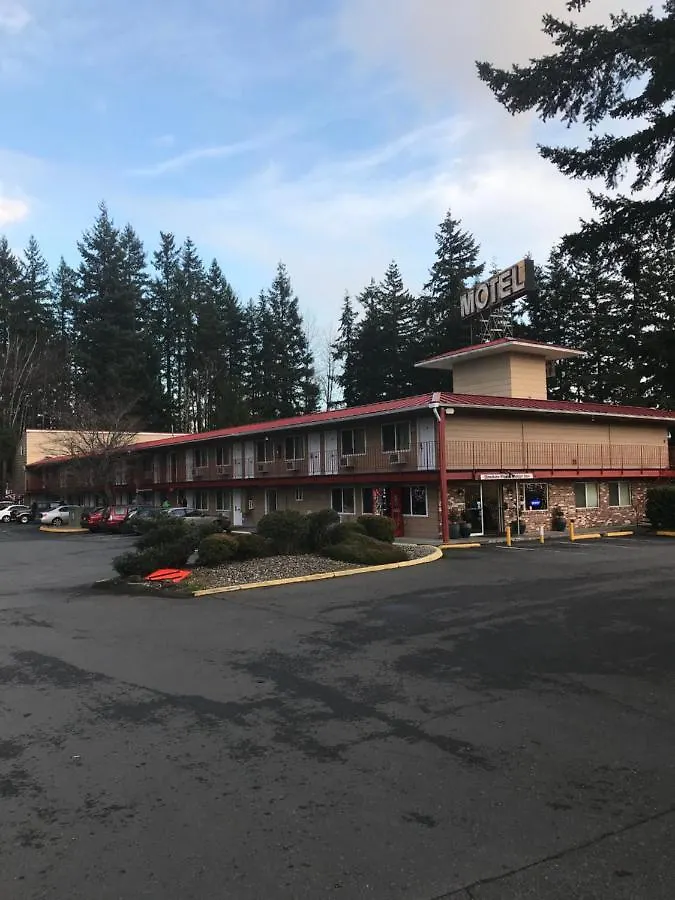
Washington State stretches from the Cascade Mountains to the Pacific Coast and the Columbia River Gorge, offering an enormous range of stays - from highway motor inns near Seattle's suburbs to spa resorts along the Columbia River. With eight hotels spread across cities like Arlington, Burlington, Spokane Valley, Kelso, Poulsbo, Woodland, and North Bonneville, this guide helps you match your itinerary to the right property without wasting time or money.
What It's Like Staying in Washington State
Washington State is one of the most geographically diverse states in the U.S., covering volcanic peaks like Mount St. Helens, old-growth rainforests, the Columbia River Gorge, and metro corridors stretching north of Seattle toward the Canadian border. Depending on where you stay, your daily commute to attractions can vary wildly - driving is essential in most of Washington State, as public transit outside Seattle and Spokane is limited. Travelers staying in smaller cities like Kelso or Arlington will find that having a car is not optional but mandatory for most sightseeing.
Pros:
- Exceptional natural diversity - volcanic geology, river gorges, coastal beaches, and alpine trails all within one state
- Free parking is standard at most hotels outside Seattle, reducing daily costs significantly
- Lower accommodation prices in secondary cities like Burlington and Woodland compared to Seattle metro averages
Cons:
- Car rental is practically required - bus and rail connections between smaller cities are infrequent
- Weather west of the Cascades is rainy for around 150 days per year, affecting outdoor itineraries
- Major attractions like Multnomah Falls, Spokane, and the San Juan Islands require significant drive times from each other
Why Choose a Hotel in Washington State
Hotels across Washington State - as opposed to vacation rentals or cabins - offer the logistical consistency that road-trip travelers depend on: 24-hour front desks, free parking, reliable WiFi, and predictable check-in processes. In a state where you may arrive late after a long drive through mountain passes, 24-hour reception at most of these properties is a genuine operational advantage, not just a marketing line. Pricing for 3-star hotels in secondary Washington cities generally runs well below Seattle rates, making them practical bases for exploring natural landmarks without overpaying for proximity to urban centers.
Pros:
- Free private parking included at most properties - critical for road-trip itineraries
- Non-smoking policies and disability-accessible rooms available across multiple properties
- Extended-stay suites (like MainStay Suites Spokane Valley) allow kitchen access, cutting food costs on longer trips
Cons:
- Limited on-site dining at budget-tier properties - most require driving to restaurants
- Shared bathrooms appear at some properties (Hotel Scandi Poulsbo), which may not suit all travelers
- Fitness centers and pools are not universal - only select properties like Bonneville Hot Springs offer full wellness facilities
Practical Booking & Area Strategy in Washington State
Washington State's hotel landscape splits cleanly into two geographic corridors: the I-5 corridor running north-south through Burlington, Arlington, Woodland, and Kelso, and the eastern interior anchored by Spokane Valley. Travelers using the I-5 corridor benefit from proximity to attractions like Future of Flight Aviation Center (near Arlington), Whatcom Falls Park (near Burlington), and access to Portland, Oregon from Woodland or Kelso in under an hour. For those heading to eastern Washington, Spokane Valley places you within around 20 km of downtown Spokane, Riverfront Park, and Spokane International Airport. Poulsbo, on the Kitsap Peninsula, offers a ferry-accessible alternative to Seattle - the ferry crossing from Kingston to Edmonds takes about 30 minutes and avoids Seattle traffic entirely. Book properties along the I-5 corridor at least 3 weeks ahead during summer (June-August), when Pacific Northwest tourism peaks and rates spike across most midscale hotels.
Best Value Stays
These properties offer practical road-trip bases with free parking, free WiFi, and straightforward amenities at accessible price points across Washington State's key travel corridors.
-
1. Smokey Point Motor Inn
Show on map


 Check-infrom 15:00 until 23:30Check-outfrom 08:00 until 11:00
Just a few rooms left at the best rate!
fromUS$ 85
-
2. Motel 6-Kelso, Wa - Mt. St. Helens
Show on map


 Check-infrom 15:00 until 23:59Check-outuntil 11:00
Just a few rooms left at the best rate!
fromUS$ 89
-
3. Motel 6-Burlington, Wa
Show on map


 Check-infrom 15:00 until 23:59Check-outuntil 11:00
Just a few rooms left at the best rate!
fromUS$ 100
-
4. Oyo Woodland Hotel And Suites
Show on map


 Check-infrom 15:00 until 23:59Check-outuntil 11:00
Hurry – almost gone at this price!
fromUS$ 102
Best Premium Stays
These properties deliver standout facilities - from extended-stay suites to a full hot springs spa resort - for travelers who want more than a basic overnight stop in Washington State.
-
5. Mainstay Suites Spokane Valley
Show on map


 Check-infrom 15:00 until 23:59Check-outuntil 11:00
Hurry – almost gone at this price!
fromUS$ 85
-
6. Bonneville Hot Springs Resort & Spa
Show on map


 Check-infrom 16:00 until 23:59Check-outfrom 01:00 until 11:00
Hurry – almost gone at this price!
fromUS$ 86
-
3. Candlewood Suites Burlington By Ihg
Show on map


 Check-infrom 16:00 until 23:59Check-outuntil 12:00
Rooms filling fast – secure the best rate!
fromUS$ 226
-
8. Hotel Scandi Poulsbo
Show on map


 Check-infrom 16:00 until 23:00Check-outuntil 11:00
Rooms filling fast – secure the best rate!
fromUS$ 155
Smart Travel & Timing Advice for Washington State
Peak season in Washington State runs from late June through mid-September, when national park visitors, festival crowds (including Skagit Valley Tulip Festival in April and Spokane's Lilac Festival in May), and summer road-trippers push occupancy rates up across the I-5 corridor. Hotels in Burlington and Arlington fill quickly during tulip season in April - booking at least 4 weeks ahead is strongly advisable during this window. Off-peak travel between October and February brings significantly lower rates and emptier roads, though mountain passes like Stevens Pass may require chains and winter driving gear. North Bonneville and the Columbia River Gorge area are busiest in summer and early fall when hiking conditions are optimal; the Bonneville Hot Springs Resort draws spa visitors year-round, making it less season-sensitive than outdoor-focused properties. For Spokane Valley, the shoulder months of May and September offer the best balance of manageable crowds and reasonable nightly rates. Most stays of 2 nights are sufficient for a single corridor - plan at least 5 nights if driving the full I-5 route from Woodland to Burlington with sightseeing stops.


